The 2nd Working Group meeting
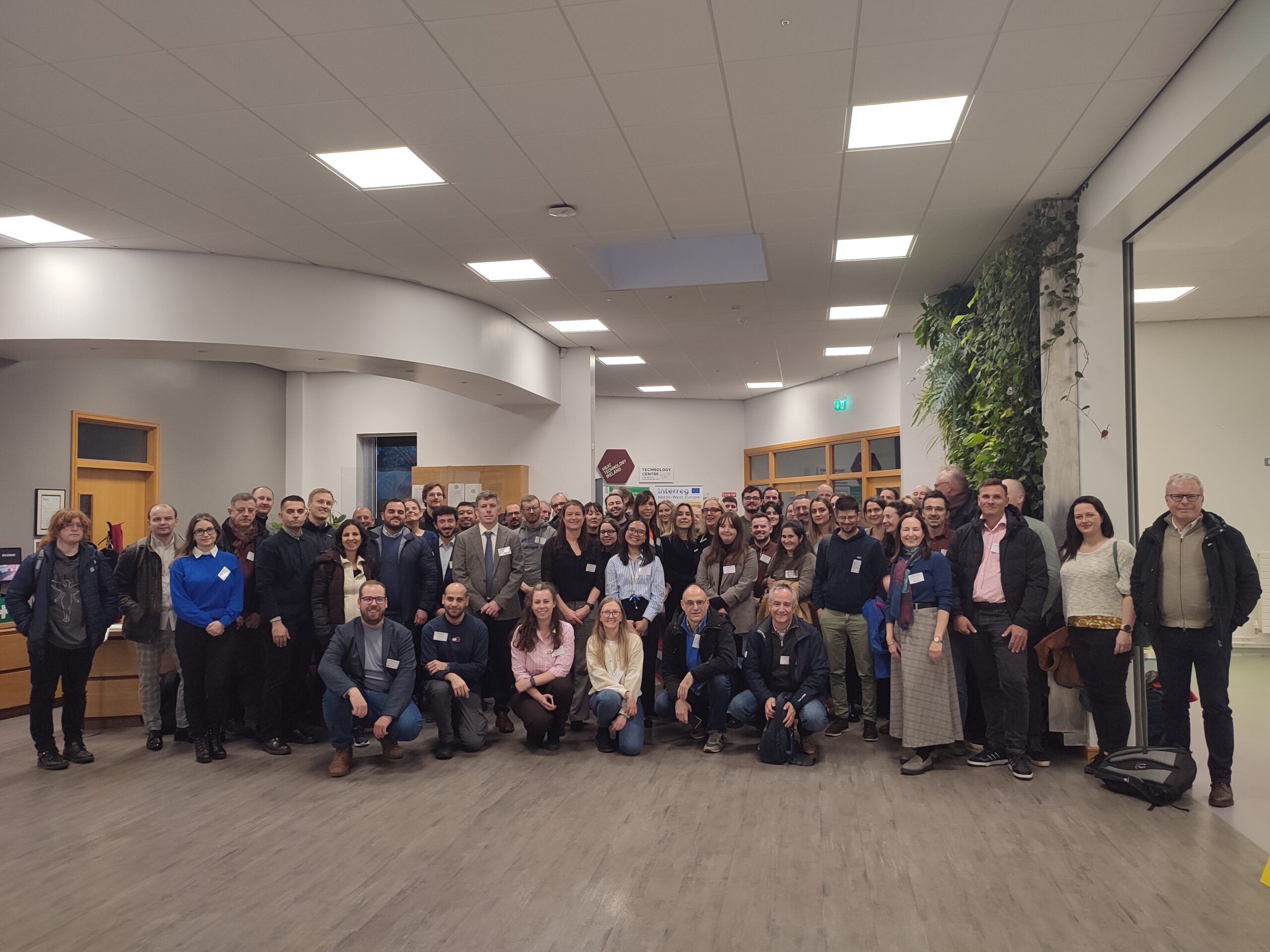
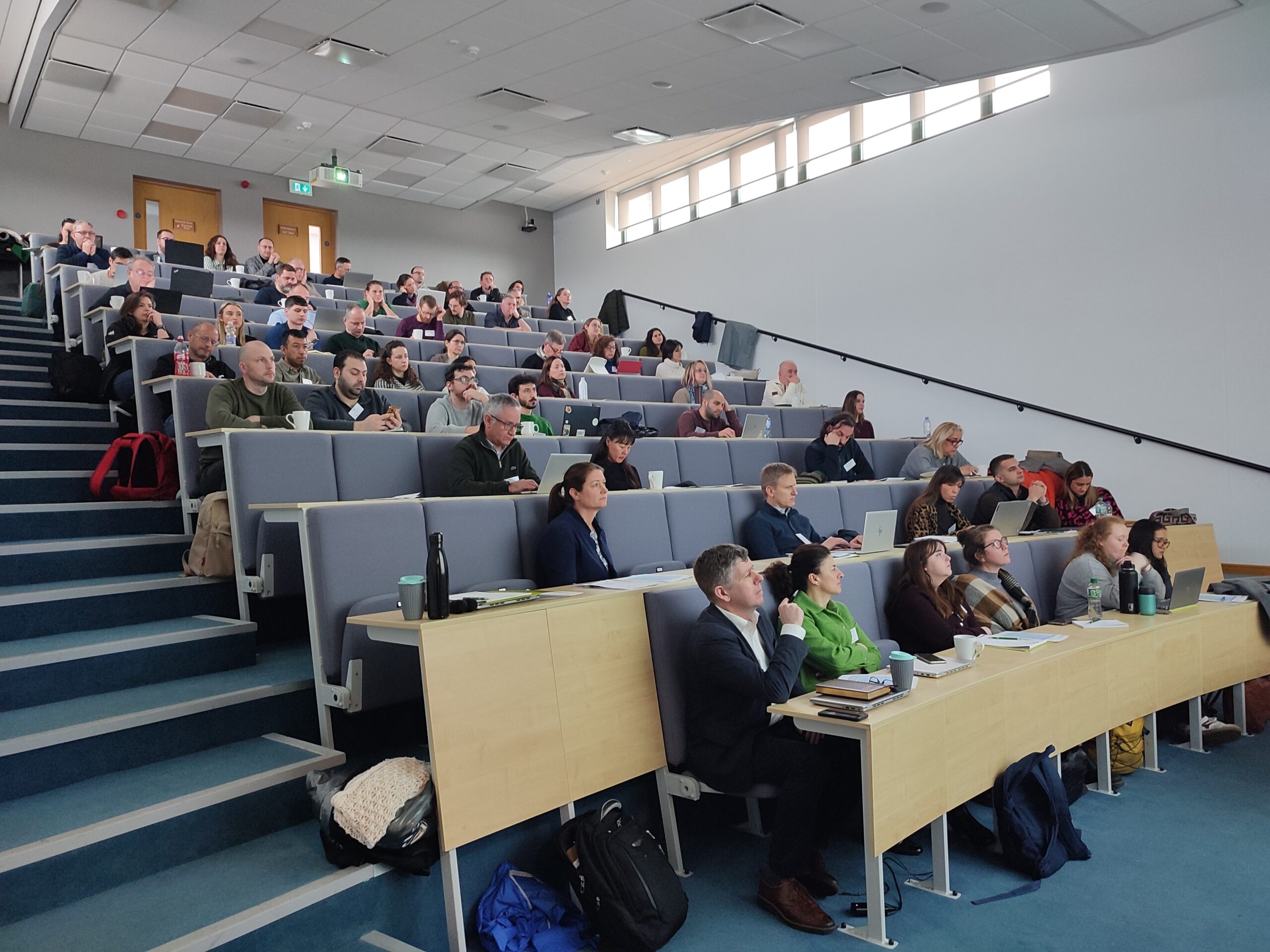
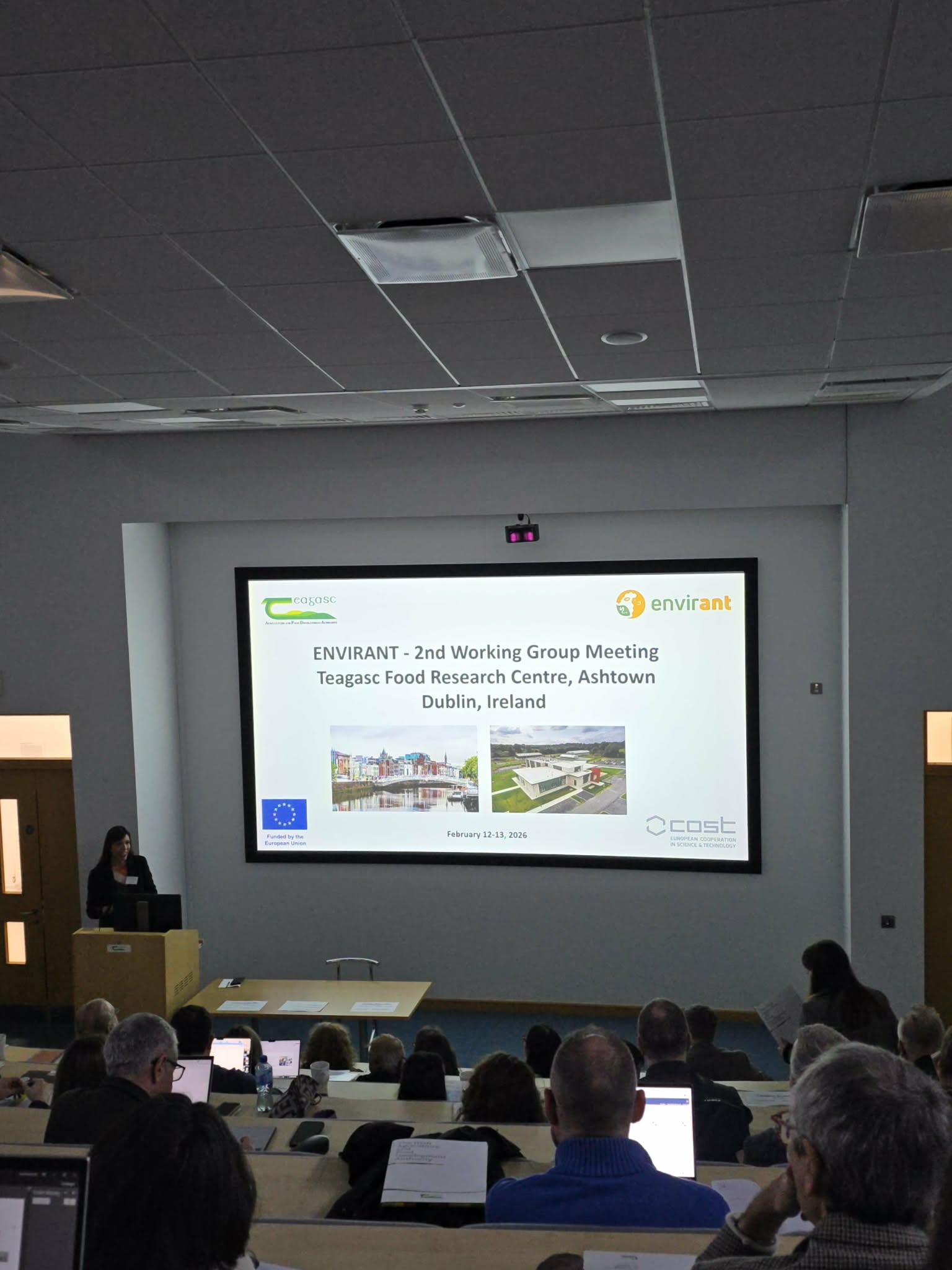
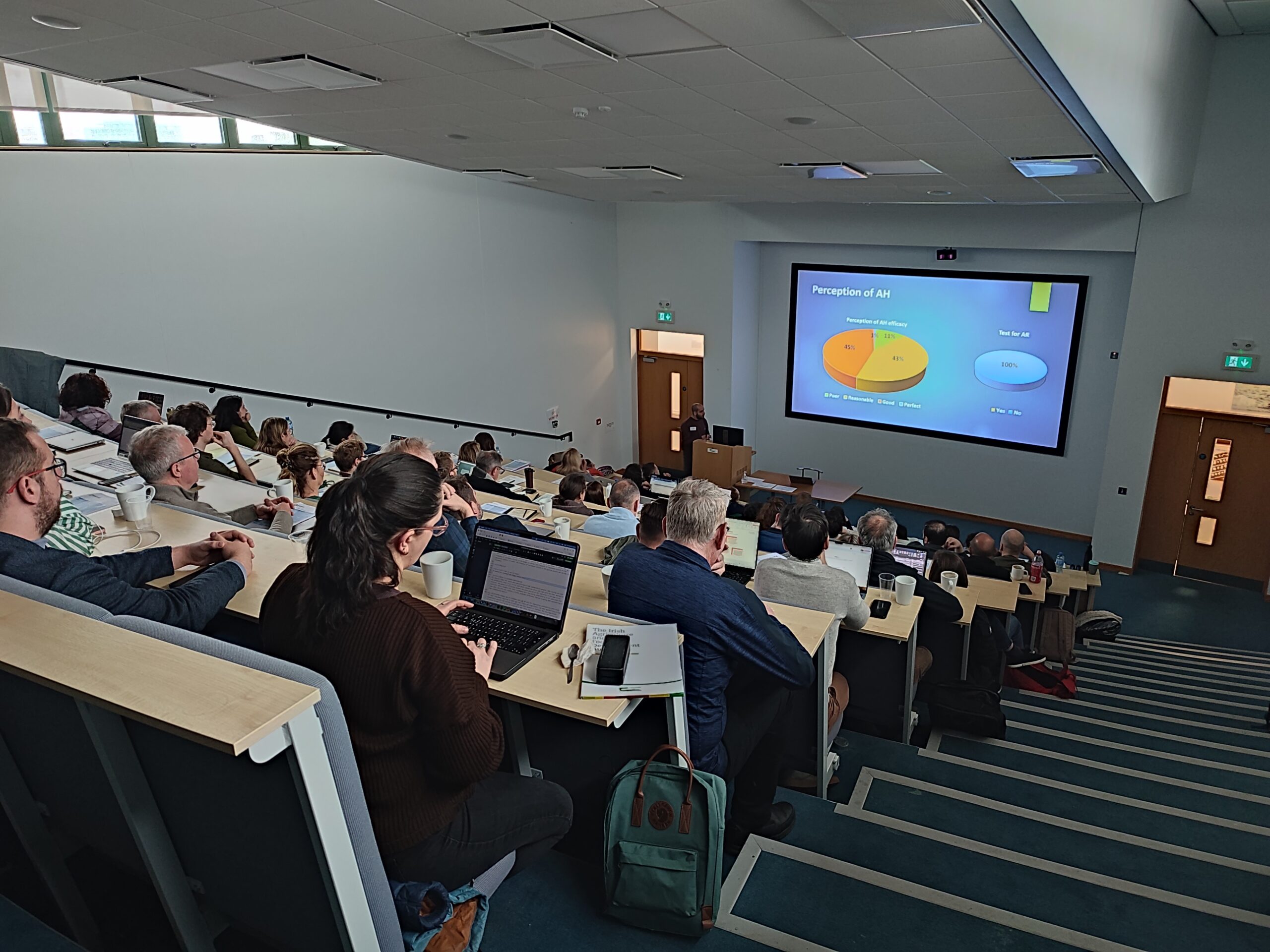
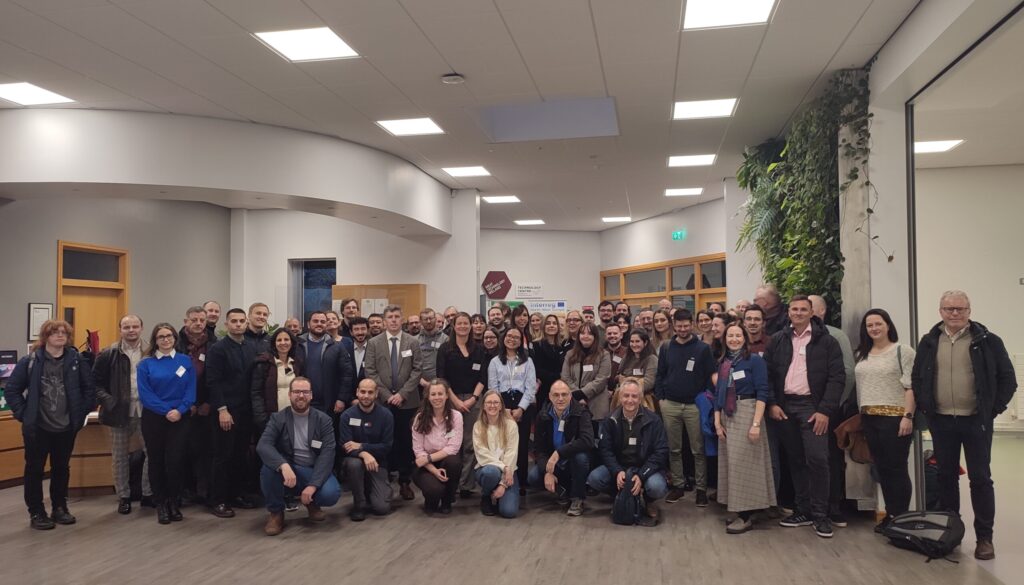
COST Action CA23154 ENVIRANT held its Second Working Group Meeting on 12–13 February 2026 at the Teagasc Food Research Centre in Ashtown, Dublin, Ireland. The face‑to‑face meeting gathered 71 participants from 22 countries, reflecting the Action’s strong and growing network across Europe and beyond. Sessions were structured around the six Working Groups (WGs), with joint blocks for WGs 1–2 and WGs 3–4, and dedicated slots for WGs 5 and 6, complemented by invited keynote presentations.
The meeting opened with a welcome by Dr Martin Danaher and Dr Orla Keane (Teagasc), followed by an overview of Action progress by Chair Dr María Martínez‑Valladares. This introduction covered membership growth since the first WG meeting in Vienna, gender balance, geographical representation, participation of young researchers and ongoing activities within each WG. An invited lecture by Prof. Damià Barceló addressed “Climate Change, Water Scarcity and Pharmaceuticals: Global Vision and Local Solutions in the Mediterranean Region,” highlighting the need for advanced water treatment and management in the context of pharmaceutical residues.
WG1 and WG2 sessions focused on the occurrence and environmental impact of anthelmintic residues. Oral presentations addressed topics such as kinetics of macrocyclic lactone residues in sheep faeces, eprinomectin levels in blood and faeces, fluorescence spectroscopy for assessing eprinomectin biodegradability, semi‑field experiments on environmental effects of residues and life‑cycle assessment of anthelmintic use. The groups reviewed progress on joint review papers on residue occurrence in water, environmental fate and exposure, and a planned meta‑analysis on impacts on off‑target organisms, and agreed next steps including guidelines for environmental sampling, ecotoxicity studies and a cross‑WG questionnaire on anthelmintic use on farms.
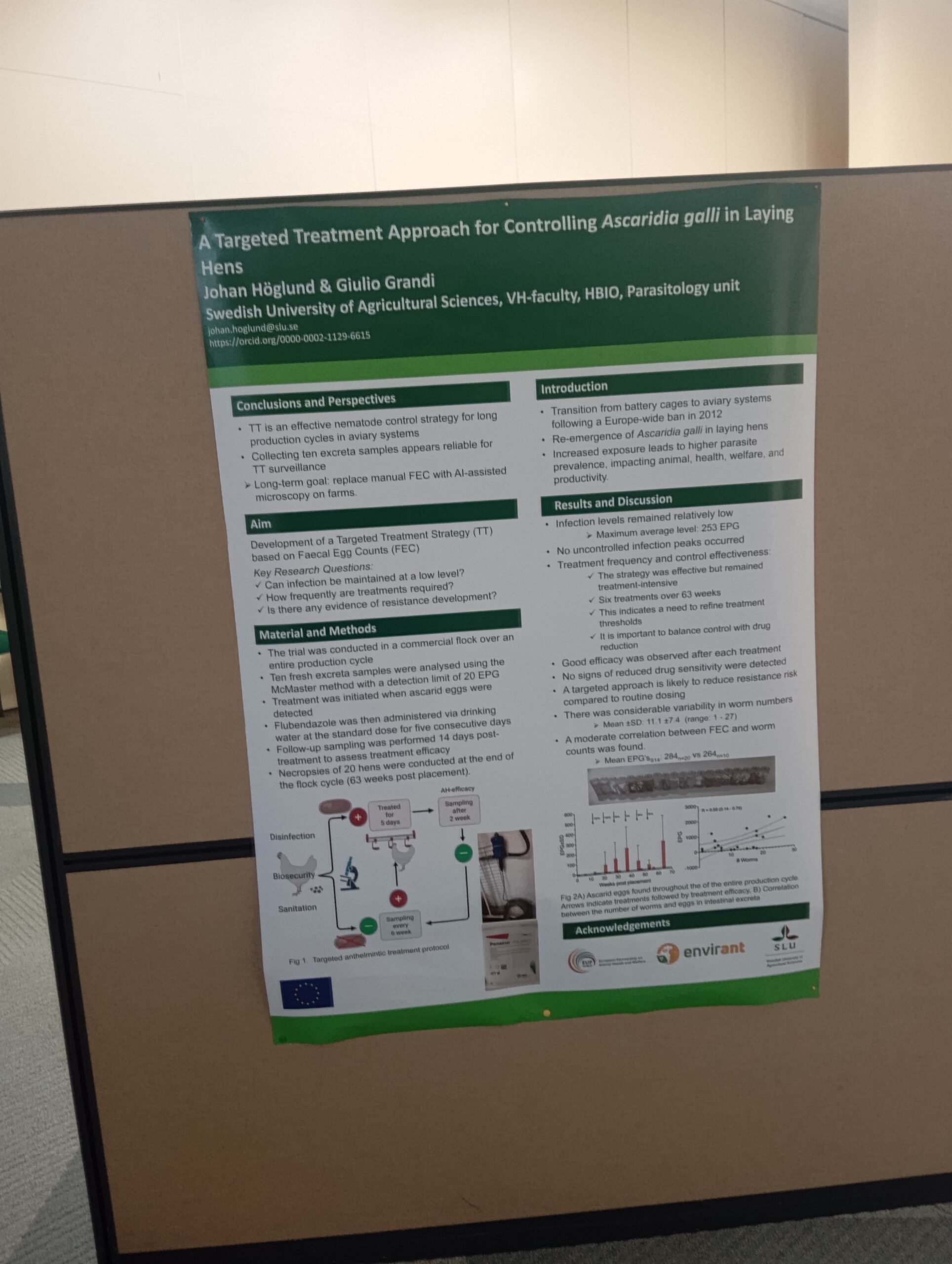
WG3 (“Green farms”) and WG4 (“Overcoming barriers”) concentrated on sustainable worm control and farmer behaviour. Presentations covered in vivo and in vitro evaluation of tannin‑rich and other agro‑industrial by‑products, herbal and selenium supplementation, grazing management strategies, effects of feed interventions on methane emissions and parasite infection, and farmer perspectives on sustainable helminth control and economic viability. Planned activities include coordinating intervention studies on farms, compiling data on anthelmintic prescribing patterns, and implementing social science tools such as ADKAR‑based questionnaires and focus groups to understand and overcome barriers to change.
WG5 (Benefit–risk assessment) discussed the framework for joint analyses that will link environmental residues, farm productivity and climate scenarios, identifying key variables for comparative studies. WG6 (Community building, dissemination and communication) reported on the ENVIRANT website, branding, social media presence and outreach materials, and planned actions such as a corporate video, an opinion paper and further dissemination events. The meeting also reviewed the status of Short‑Term Scientific Missions, ITC Conference Grants and dissemination grants from the first and second Grant Periods, and outlined upcoming activities including Training Schools, workshops and the next management meetings.
The Dublin WG Meeting consolidated progress across all WGs, strengthened cross‑disciplinary collaboration and set a clear roadmap for the next phase of ENVIRANT. By integrating environmental residue monitoring, ecotoxicology, sustainable parasite control, socio‑economic research and risk–benefit assessment, the Action is advancing towards evidence‑based strategies to minimise the environmental impact of anthelmintics while safeguarding animal health and farm productivity.