envirant
About the project
Collaborative science for a more sustainable livestock and environment

Network of European and international researchers
ENVIRANT is a network of European and international researchers dedicated to studying the environmental impact of anthelmintic drugs used in livestock and developing sustainable strategies to minimize their use.
The initiative is chaired by Dr María Martínez Valladares (Spanish National Research Council, CSIC) and vice-chaired by Dr Smaragda Sotiraki (Hellenic Agricultural Organization, HAO-DEMETER).
Executive summary
Pasture-based animal production systems play a vital role in promoting sustainable farming practices in Europe. These systems rely on grass grazing as an affordable feed source on the farm. However, these systems have certain disadvantages, particularly concerning animal health since grazing livestock are very susceptible to infections caused by helminth parasites.
These infections can impose a substantial economic burden on the food production system and the most commonly used method for their control is the administration of anthelmintic drugs. However, these drugs have been considered recently emerging contaminants because their presence in both terrestrial and aquatic ecosystems poses significant environmental risks.
Under this context, the objective of ENVIRANT is to advance, consolidate and disseminate research and knowledge on the environmental occurrence and ecological impact of anthelmintics administered to livestock and to propose more sustainable practices and methods to minimize their use in the control of helminth infections.
This Action aims to:
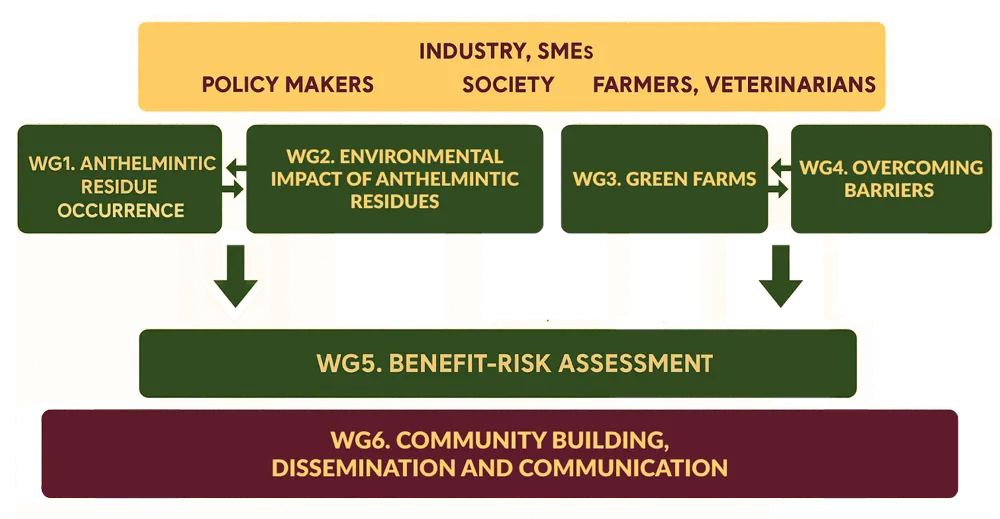
(i) to monitor the sale, use and efficacy of anthelmintics in European livestock farming;
(ii) to investigate factors related to farming practices, the environment and climatic conditions that favour the persistence of anthelmintics in the environment;
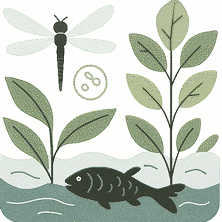
(iii) to assess the impact of anthelmintic residues on ecosystems;
(iv) to develop sustainable methods to reduce the use of anthelmintics in a variety of European settings;
(v) to conduct socio-psychological research on barriers that may arise in the implementation of sustainable methods;
(vi) to model the impact of anthelmintic use, considering both animal health benefits and ecosystem risks through benefit-risk assessment.
Objectives of ENVIRANT
General objective of the Action is to create a network to bring together experts in the field of measuring anthelmintic residues in the environment and their impact and to foster the scientific exchange of knowledge needed to reduce the use of anthelmintics in livestock and to evaluate new and more sustainable methods.
1) Research coordination objectives
2) Capacity-building objectives
We organize ourselves into different specialized Working Groups
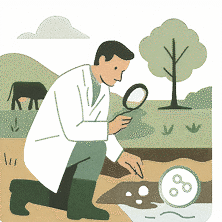
WG1
Anthelmintic residue occurrence in environment and associated factors: integrating farm practices and environmental dimensions
WG2