Training School – Environmental Sampling and Anthelmintic Residue Analysis (WG1 and WG2)
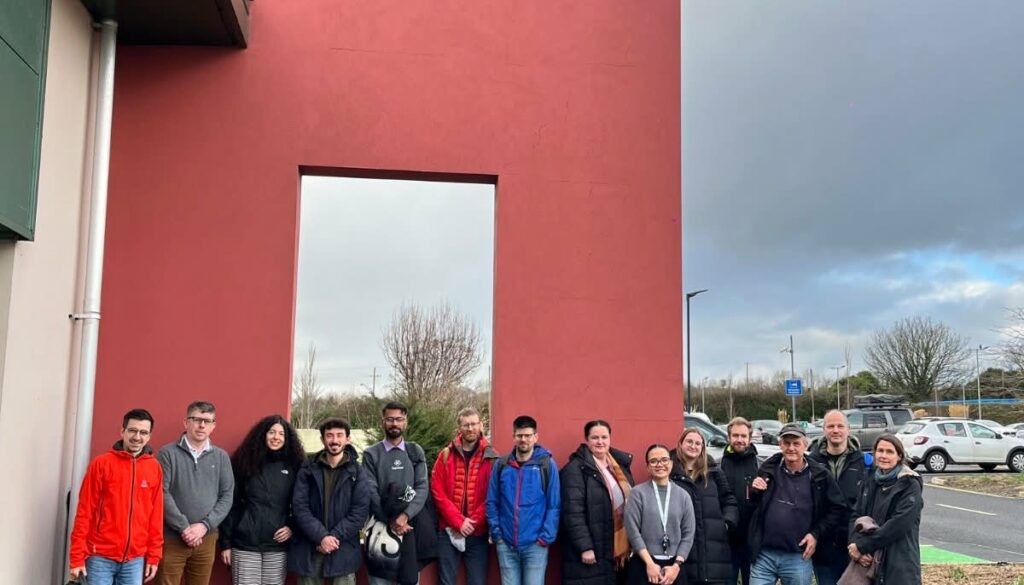
ENVIRANT COST Action CA23154 organised a three‑day Training School on “Environmental Sampling and Analysis of Anthelmintic Residues” from 9–11 February 2026, hosted by Teagasc, Dublin, Ireland. The course was delivered by Working Groups 1 and 2 and brought together 18 participants from 14 countries, reflecting a broad range of expertise across veterinary science, analytical chemistry and environmental research.
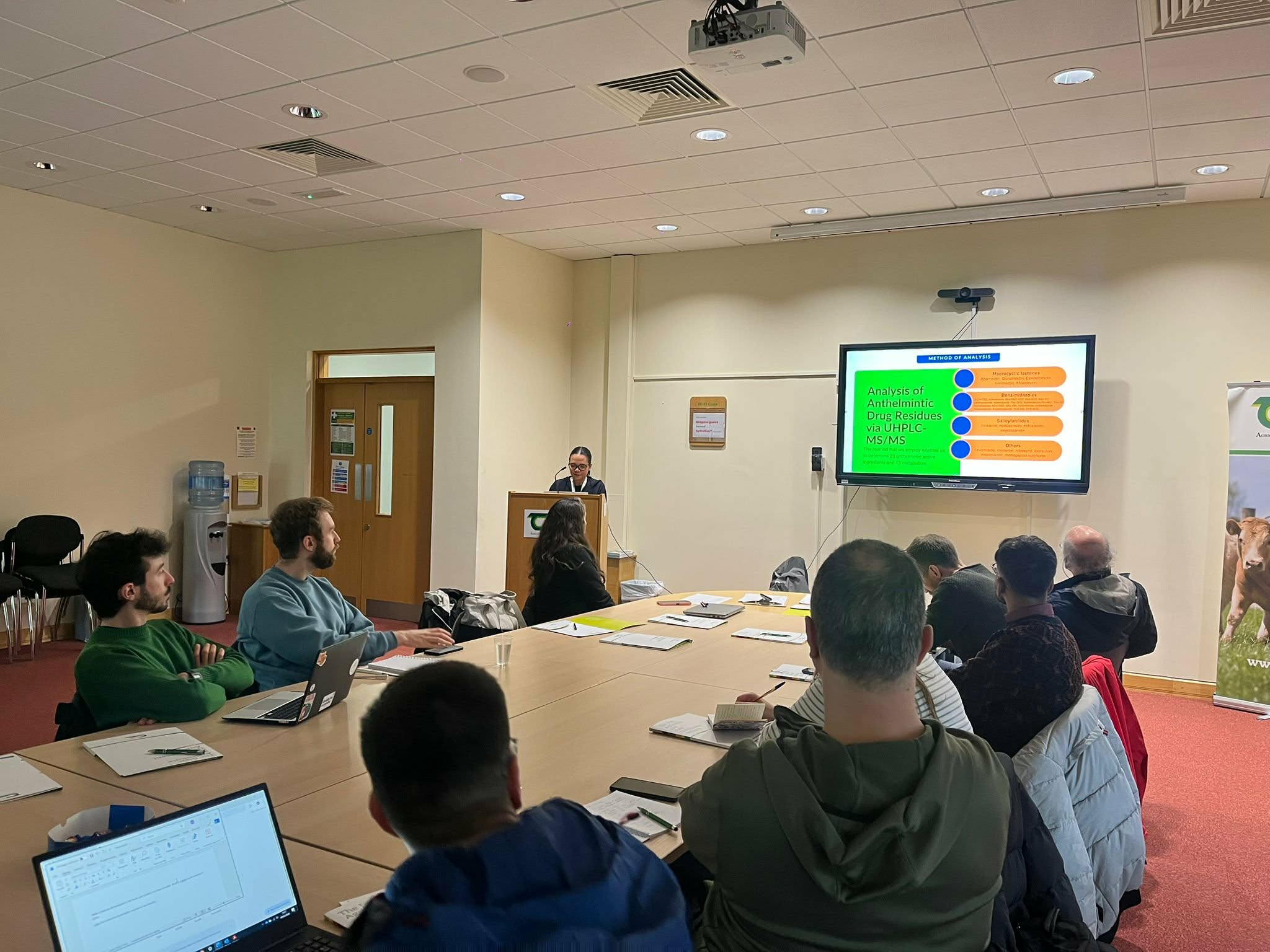
The Training School focused on building practical capacity for sampling and analysing anthelmintic residues in manure and water, combining field demonstrations, laboratory exercises and interactive discussions. On Day 1 at Teagasc Grange, participants took part in on‑farm demonstrations covering manure and urine sampling strategies, including individual animal, floor and composite samples, followed by sessions on sample homogenisation and handling. Lectures introduced the analysis of anthelmintic residues in environmental matrices and compared LC‑MS/MS approaches with HPLC‑based methods, complemented by presentations on residue occurrence and stability in stored samples.
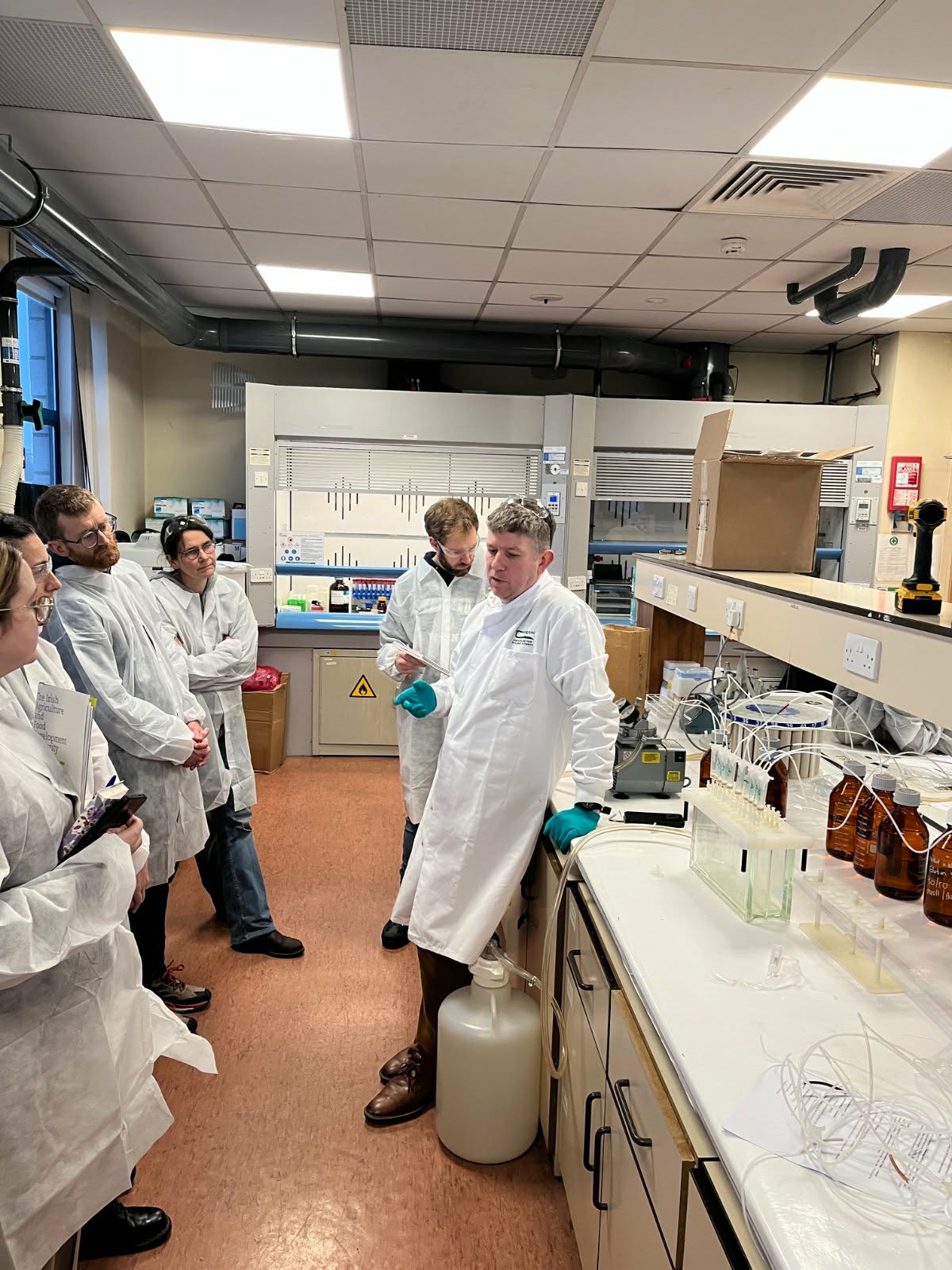
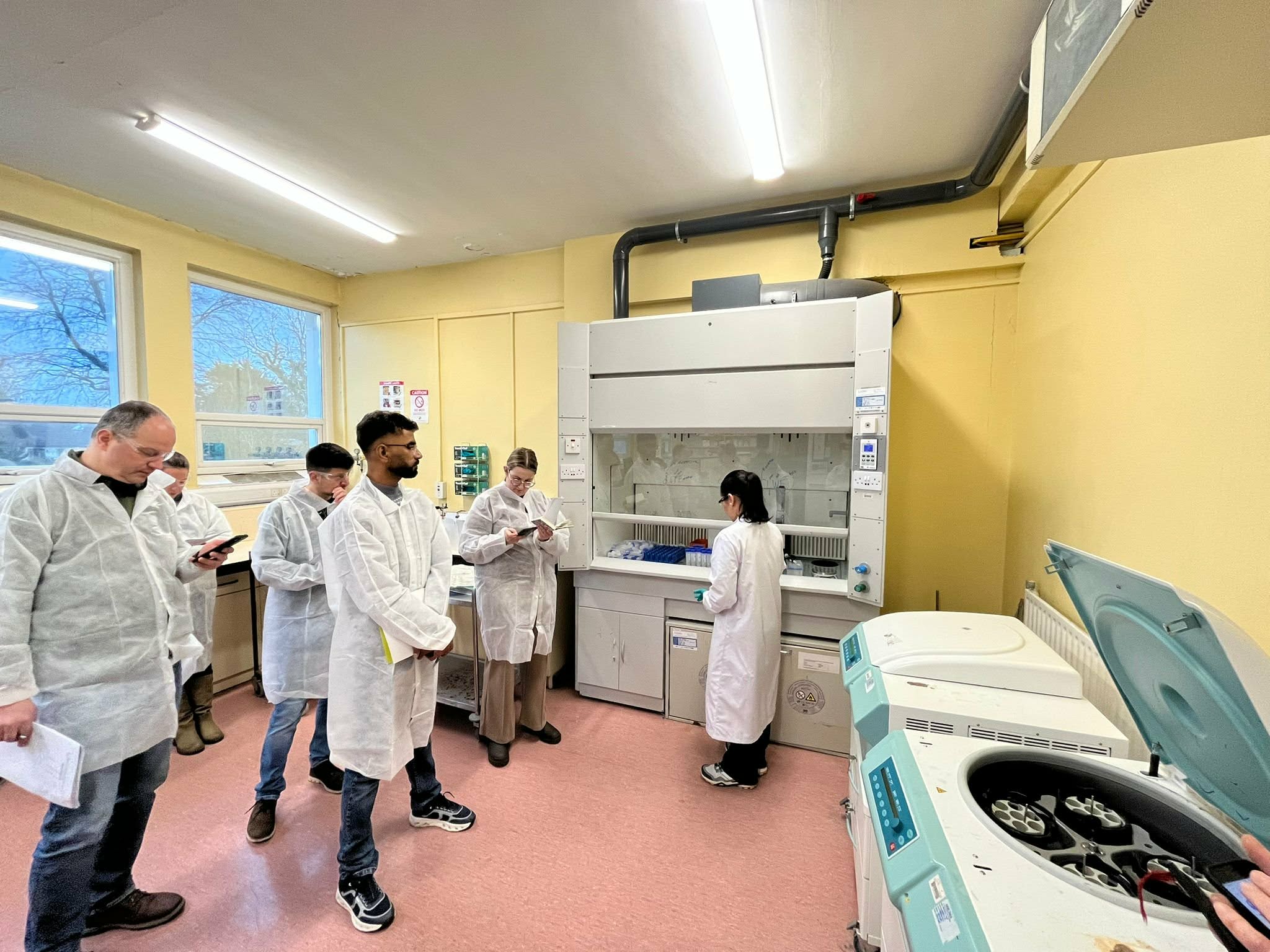
Day 2 at Teagasc Ashtown was dedicated to hands‑on laboratory training. Trainees worked through a multi‑residue QuEChERS‑based sample preparation protocol and LC‑MS/MS workflow for faecal and manure samples, and were introduced to solid‑phase extraction (SPE) methods for isolating residues from water. The programme covered key steps such as weighing and fortification, extraction and clean‑up, concentration of extracts, SPE for water, sample filtration and vial preparation, and overnight LC‑MS/MS batch analysis.
On Day 3, the focus moved to catchments, data analysis and study design. Participants heard a presentation on the Irish catchments programme and best practices for water sampling, followed by sessions on practical aspects of analysing anthelmintic residues in faecal and manure samples, data analysis, quality control and experimental design. Discussions highlighted challenges such as sample stability and shipping, choice of sampling containers and conditions, and the importance of control samples and clearly defined research questions.
The Training School fostered active exchange between participants with varying levels of analytical capacity, from laboratories already performing multi‑residue analysis to veterinary researchers seeking collaborations. Concrete outcomes included plans to develop harmonised sampling and shipping protocols, identification of potential partner laboratories across Europe and initial arrangements for sample analysis and joint projects supported by COST instruments. Overall, the event significantly strengthened ENVIRANT’s network and enhanced European capacity to monitor and understand environmental contamination with anthelmintic residues